



What are you looking for?
In modern civil engineering and infrastructure construction, the retaining wall formwork system is a crucial auxiliary construction device. It plays the role of temporary support, shaping, and ensuring the precision of structural dimensions during the concrete retaining wall pouring process. It is one of the key factors in ensuring the stable, safe, and efficient formation of retaining walls. This article will provide a comprehensive introduction to its structure, functions, advantages, and application areas to help readers gain an in-depth understanding of this core component of construction.
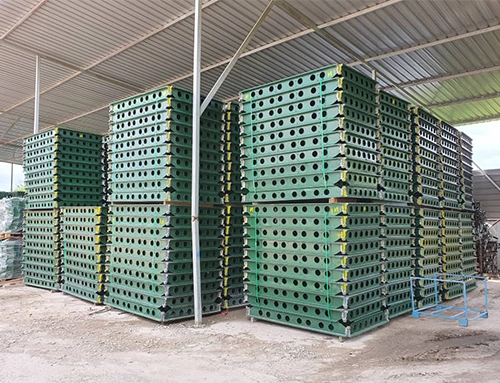
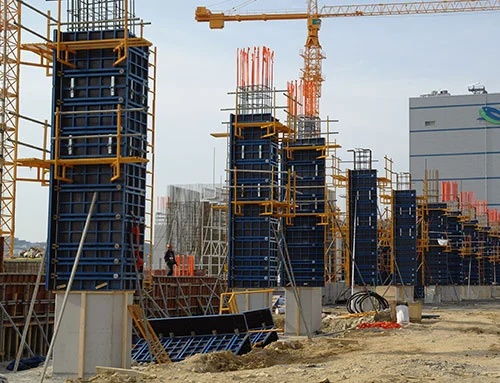
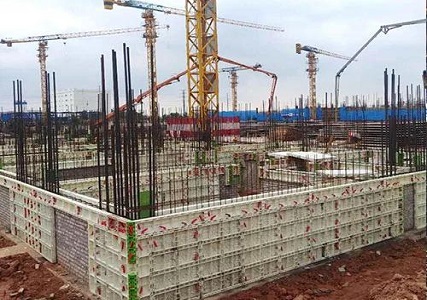
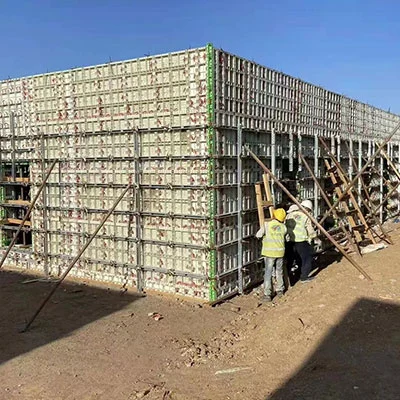
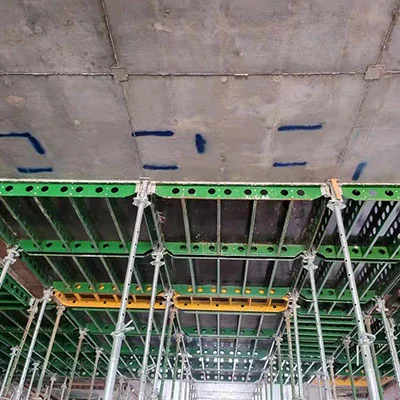
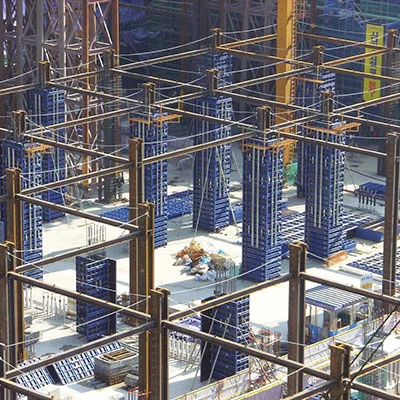
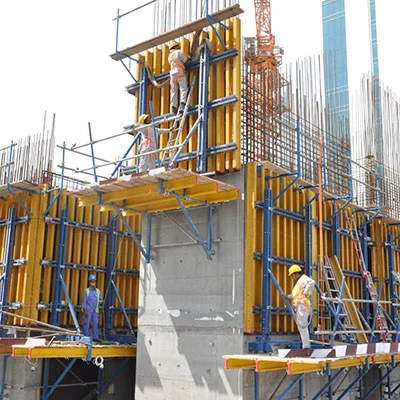
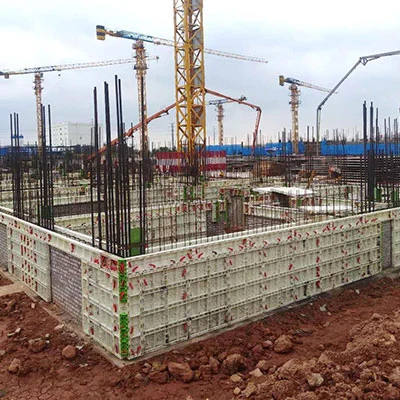
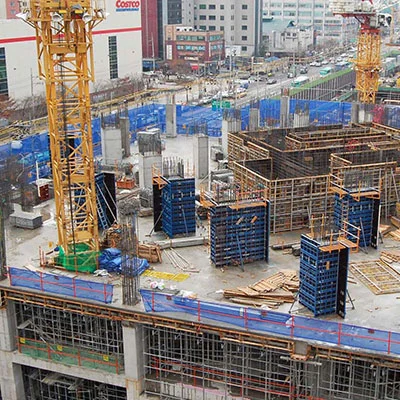
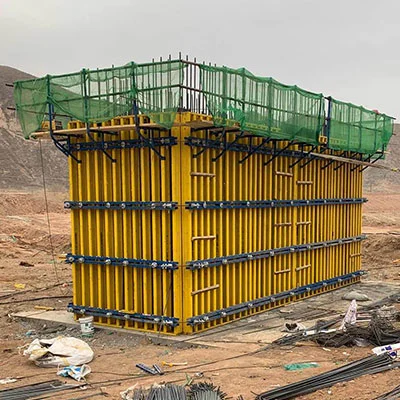
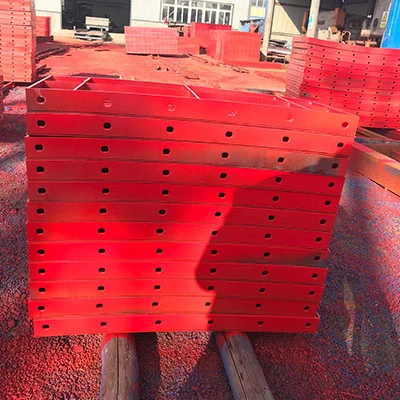
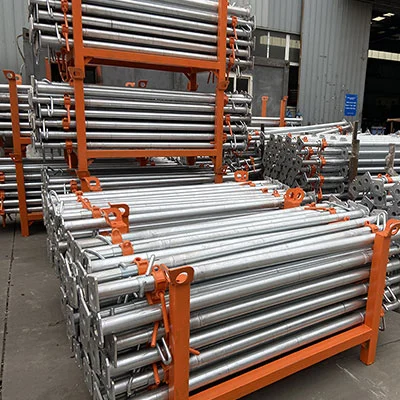
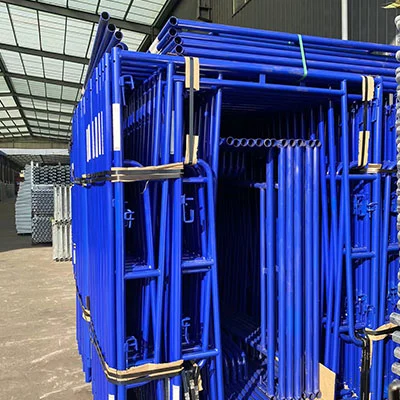
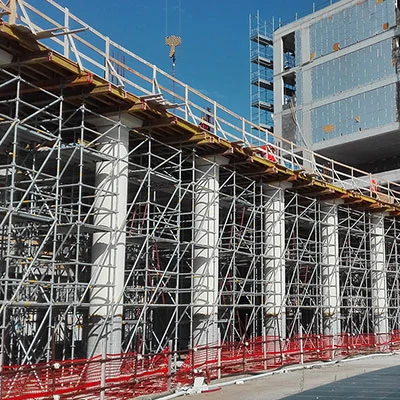
The retaining wall formwork system refers to the formwork support system used during the concrete pouring process for retaining walls. It consists of formwork panels, support frames, connectors, and reinforcement systems. The purpose of this system is to keep the newly poured concrete within the set shape and dimensions until it reaches sufficient strength to stand on its own. For more complex or high-rise retaining structures, a climbing formwork system can be employed to facilitate safe, efficient vertical progression during construction.
The formwork system ensures that the line shape, dimensions, thickness, and verticality of the retaining wall meet design requirements, avoiding structural deviations or surface defects and improving project quality.
Modern formwork systems often adopt modular and pre-assembled designs, with high efficiency in installation and dismantling, significantly shortening the pouring cycle and enhancing the overall flexibility of the project schedule.
The system design fully considers concrete lateral pressure, gravity, and external construction loads, maintaining structural stability in large-volume concrete pouring, and reducing the risk of collapse or accidents during construction.
Many formwork systems are made of steel frame formwork or aluminum alloy materials, with high strength and long life, suitable for multiple engineering projects, saving material costs and aligning with green construction concepts.
Whether it is gravity retaining walls, cantilever retaining walls, anchored walls, or reinforced soil walls, corresponding formwork systems can be customized according to design parameters to meet various working conditions.
Municipal Engineering: such as high difference retaining walls on both sides of roads;
Real Estate Development: basement enclosures, hillside building slope treatment;
Railway and Highway Engineering: high embankments, slope retaining walls;
Water Conservancy Projects: channel sidewalls, dam retaining structures;
Ports and Wharfs: breakwaters, retaining walls for bank protection construction.