
What are you looking for?
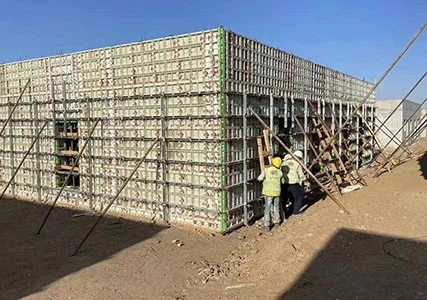
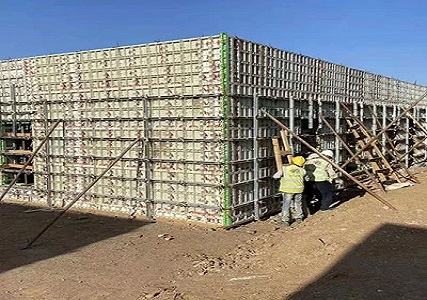
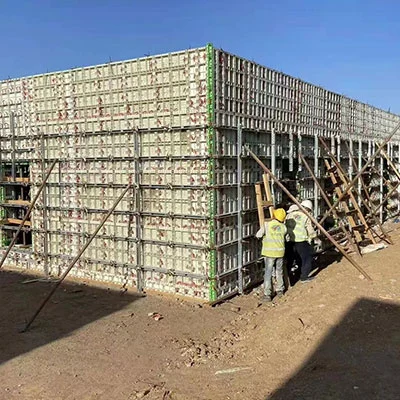
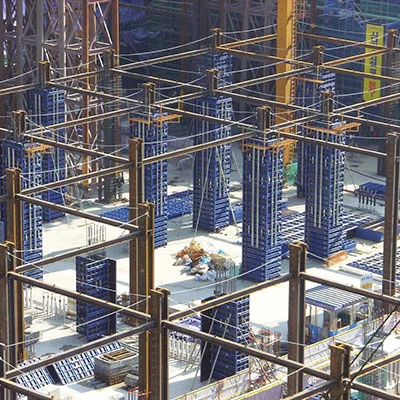
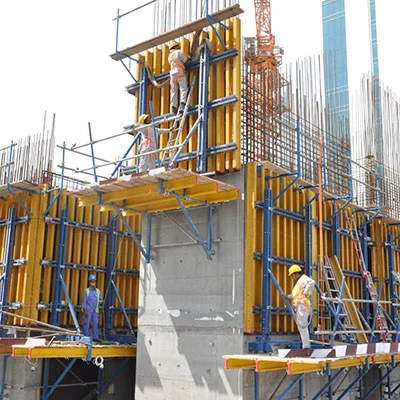
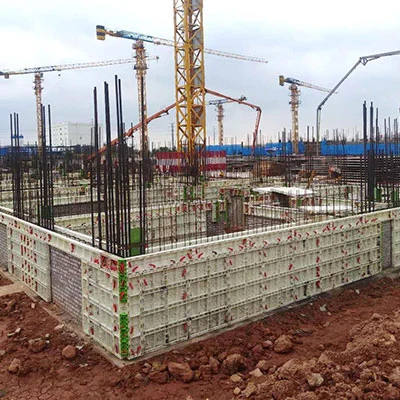
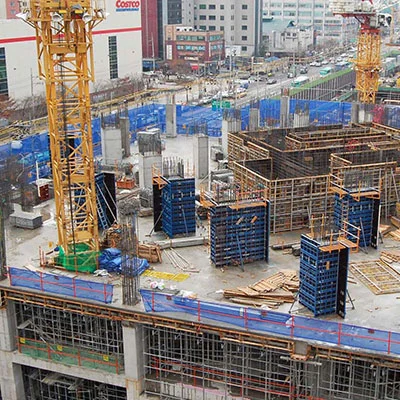
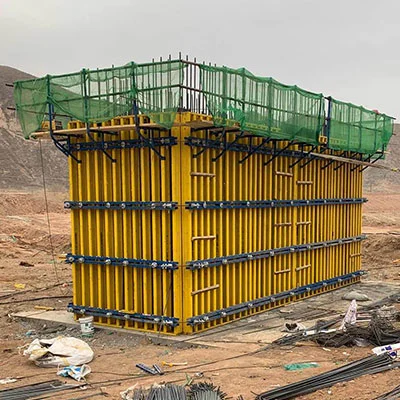
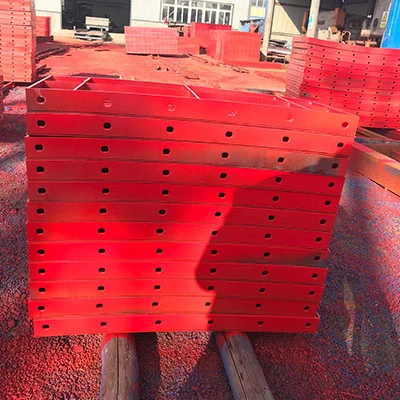
Plastic shuttering panels are a composite building formwork material that offer advantages such as cold and heat resistance, corrosion and moisture resistance, and a high strength-to-weight ratio. Made from polypropylene with added fiberglass, it is molded in one step using a high-temperature pressing process. Plastic shuttering panels are widely used in various construction projects, including ditches, retaining walls, pipe corridors, culverts, pier columns, bridge foundations, and infrastructure.
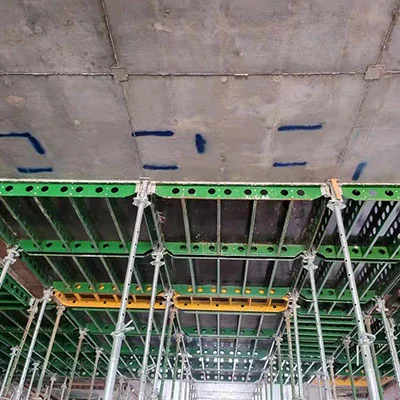
Minglei plastic shuttering panels are lightweight, easy to construct, quick to assemble and disassemble, reducing construction costs. It is waterproof and corrosion-resistant with stable performance. The board surface does not stick to concrete, resulting in concrete surfaces that achieve a smooth finish. It can be reused for more than 2 years under normal use.
Saves Labor: Using plastic shuttering panels in construction projects alters the labor structure, simplifies the construction process, and eliminates the need for a large workforce. One person can assemble at least 45 square meters in one day, saving labor and reducing costs.
Saves Materials: The reinforcement support system is universal and does not require secondary plastering.
High Turnover Rate: Plastic-steel formwork is designed and produced with modular and high-pressure molding techniques. Plastic shuttering panels have high strength and good toughness, with a turnover rate of at least 200 times.
Recyclable: Due to the recyclability of its raw materials, plastic shuttering panels can be recycled, including old and waste formworks.
Lightweight and Easy Construction: Plastic shuttering panels use a ribbed design to reduce their own weight and make it easy to transport. The reasonable distribution of ribs enhances product performance, saving reinforcement materials and improving construction efficiency. The formwork uses a clip-on assembly method, which does not require professional carpenters; ordinary workers can assemble the formwork, making it convenient and quick, thus improving construction efficiency.
No Release Agent Required: Plastic shuttering panels use a new process of high-temperature molding, with a smooth and flat surface that does not absorb water and is wear-resistant. The thermal expansion coefficient of plastic shuttering panels is vastly different from that of concrete. After pouring, as the temperature changes and the concrete sets, the formwork automatically separates from the poured concrete, making formwork removal easy.
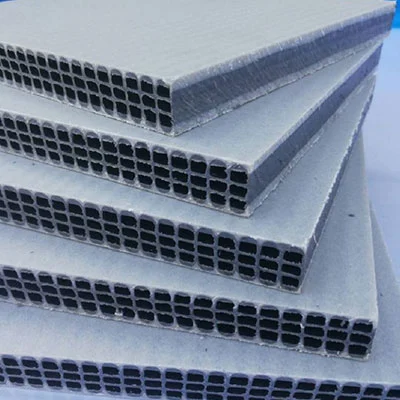
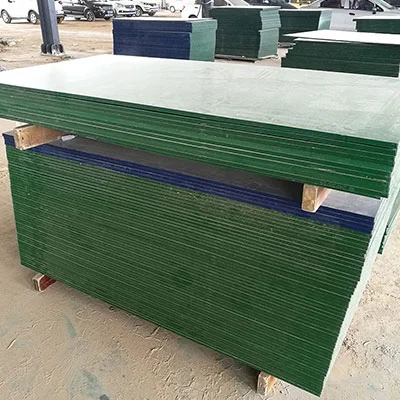
Plastic shuttering systems generally include three types: PVC formwork, prefabricated plastic shuttering panels, and hollow plastic shuttering panels. These types differ in terms of raw materials, structural design, and overall performance. Among them, hollow plastic shuttering panels stand out as a superior choice for modern construction projects due to their excellent mechanical properties and durability, offering clear advantages over traditional PVC shuttering plates.
PVC solid plastic shuttering plates are typically manufactured from polyvinyl chloride (PVC) through processes such as calendering, heating, and plasticizing. However, their Vicat softening point is around 70°C, making them more prone to deformation under high temperatures. In contrast, PP hollow plastic shuttering panels, produced by extrusion molding at around 200°C, feature a much higher Vicat softening point of 110°C. This allows them to maintain dimensional stability, exhibit superior temperature resistance, and deliver greater strength, toughness, and compressive performance compared to PVC shuttering plates.
Moreover, hollow plastic shuttering panels offer a lower coefficient of thermal expansion and contraction, ensuring higher structural stability in environments with large temperature variations. This minimizes the risks of warping, cracking, or brittleness — common issues with conventional PVC shuttering plates — thereby guaranteeing consistent formwork quality and improved building precision.
From an economic and environmental perspective, hollow plastic shuttering panels also provide significant advantages. They can be recycled after use, creating a closed-loop material cycle that reduces environmental pollution and supports sustainable construction practices. While PVC shuttering plates can typically be reused 20–30 times, hollow plastic shuttering panels can be reused over 50 times, substantially lowering the average cost per use. Additionally, their lightweight hollow structure enhances heat dissipation, simplifies formwork handling, and accelerates installation and removal, saving both time and labor during construction operations.
Compared to traditional PVC shuttering plates, Minglei's hollow plastic shuttering panels deliver enhanced thermal resistance, higher strength and toughness, improved durability, better reusability, and greater environmental benefits. These advantages make them a cost-effective, sustainable, and high-performance alternative for formwork applications in the construction industry.